

At Agscent, we believe solutions to some of the world's biggest challenges are in the air around us. By decoding biological signatures in breath using nano sensor technology and AI, we are transforming diagnostics, improving health outcomes, supporting producers, and helping build a more sustainable, climate-resilient future.

Agscent started with a connection, not just a problem.
Bronwyn Darlington was tracking the convergence of molecular diagnostics and disruptive technology when she made a connection nobody else had made: the answer to livestock pregnancy testing existed in breath. The technology to read it was at NASA.
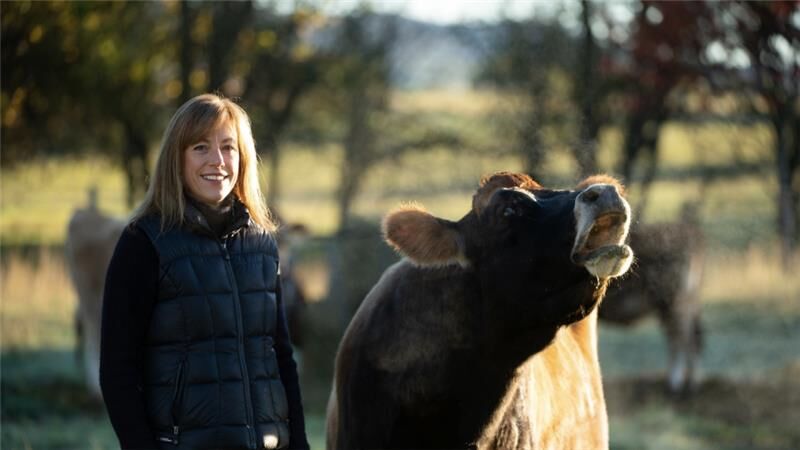
However, when she walked back into the cattle yards on her home farm in Australia she hit the first real problem: you can't ask a cow to breathe on demand. So, she solved it by inventing an AI-driven breath collection system that isolated the biologically rich breath from the environment. This opened the door to discover unexpected breath biology discoveries initially using GC-MS on that rich biological breath. To read it real time on farm, it was back to NASA. Dr Darlington secured a domain specific license from NASA for the use of the technology in all agricultural applications. None of this was possible without a team that combined original NASA scientists, Australian researchers and inventors, engineers, and agricultural specialists willing to work on problems that had no existing playbook.
These are the kind of people who find that motivating rather than concerning. This work has now progressively been extended to include collaborations with Macquarie University, ANU, RMIT, Swinburne University, and Sydney University. The discoveries in breath made biology visible, including methane. While the greenhouse gas (GHG) work started as a climate story, Agscent realised that low-emitting animals weren’t just climate friendly, they were more feed-efficient. Feed-efficient animals handled drought better and cost less to feed.
The methane story turned out to be a productivity story all along. That insight drove a partnership with Optiweigh and the Agscent GHG 2100, built for continuous monitoring across operational contexts including robotic dairy. The platform is now commercial and global.

Agscent is Australian-founded and globally deployed
Our GHG Technology has been independently validated across three continents, deployed commercially in Australia and the United States, and is actively entering New Zealand, Brazil, the UK, Europe, and Japan through a combination of direct sales, research partnerships, and distribution agreements.
Get to know us
The Agscent team are a highly skilled, engaged and passionate group of individuals who have experience and qualifications for working on the land, in the lab and in business.
The Founder and Board of Directors
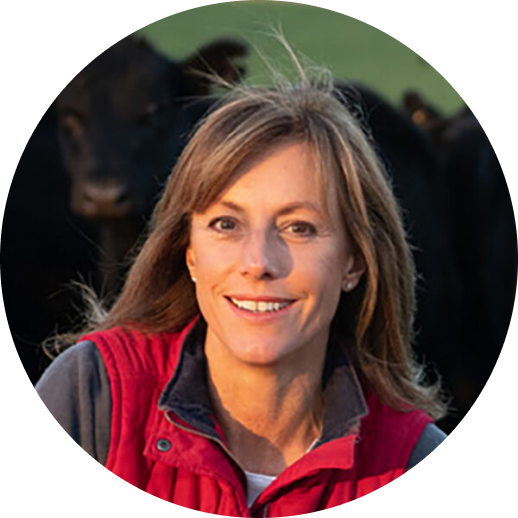
Dr. Bronwyn Darlington
Founder and Managing Director

Warren Bingham
Chairman

Alan Hoppe
Investor Director
Senior Team

Darren Price
Chief Operating Officer, Australia

Dr. Andrea Ranzoni
Chief Product & Technology Officer

Ailie Webb
Chief Commercialisation Officer

Ashley Sweeting
Agscent US Vice President

Dr. Flore Hervé
Chief Scientific Officer
Technical Advisers

Dr Jing Li
Senior Scientific Advisor

Professor Noushin Nasiri
Nano Sensor Collaboration Partner, Macquarie University
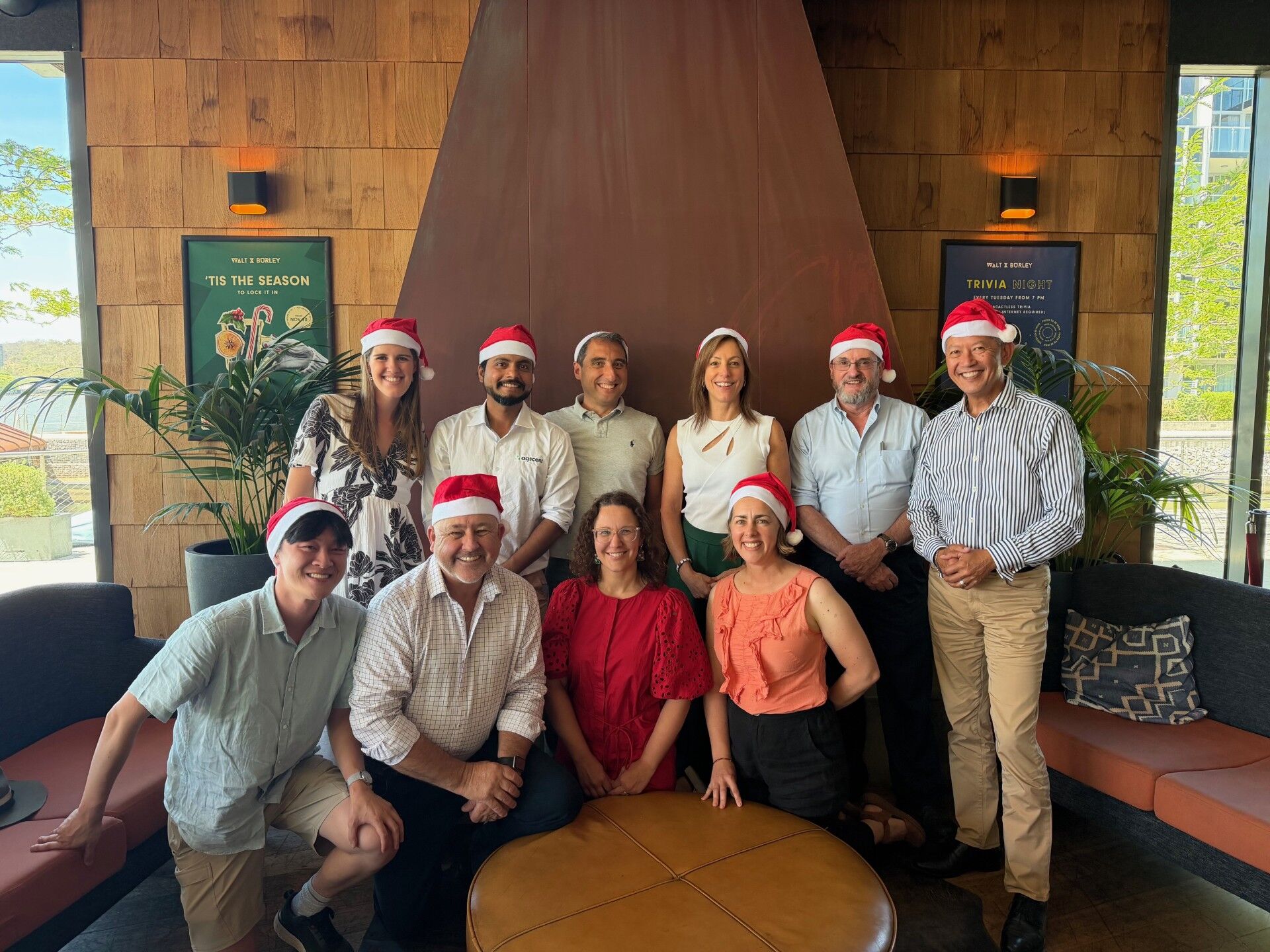
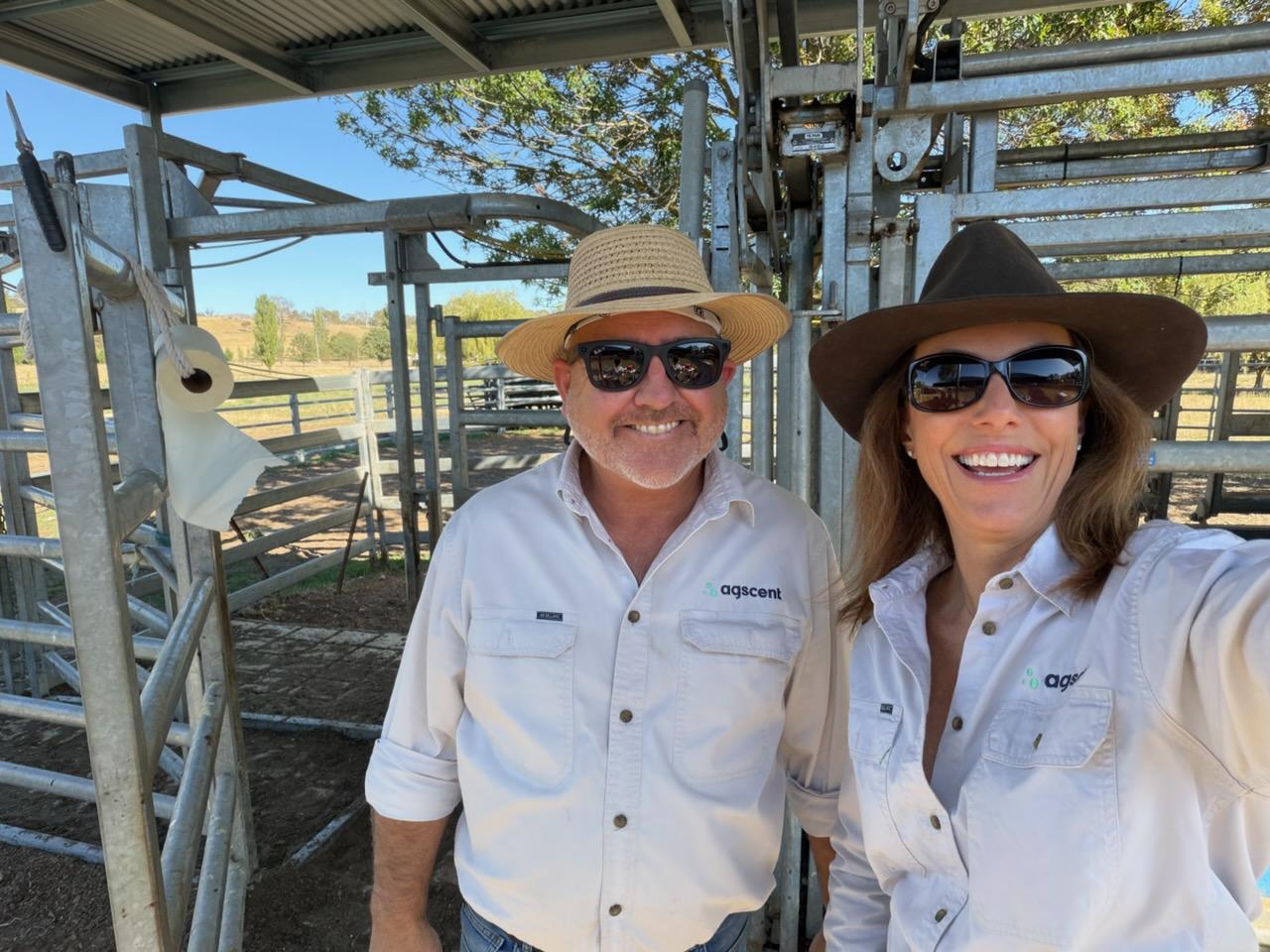
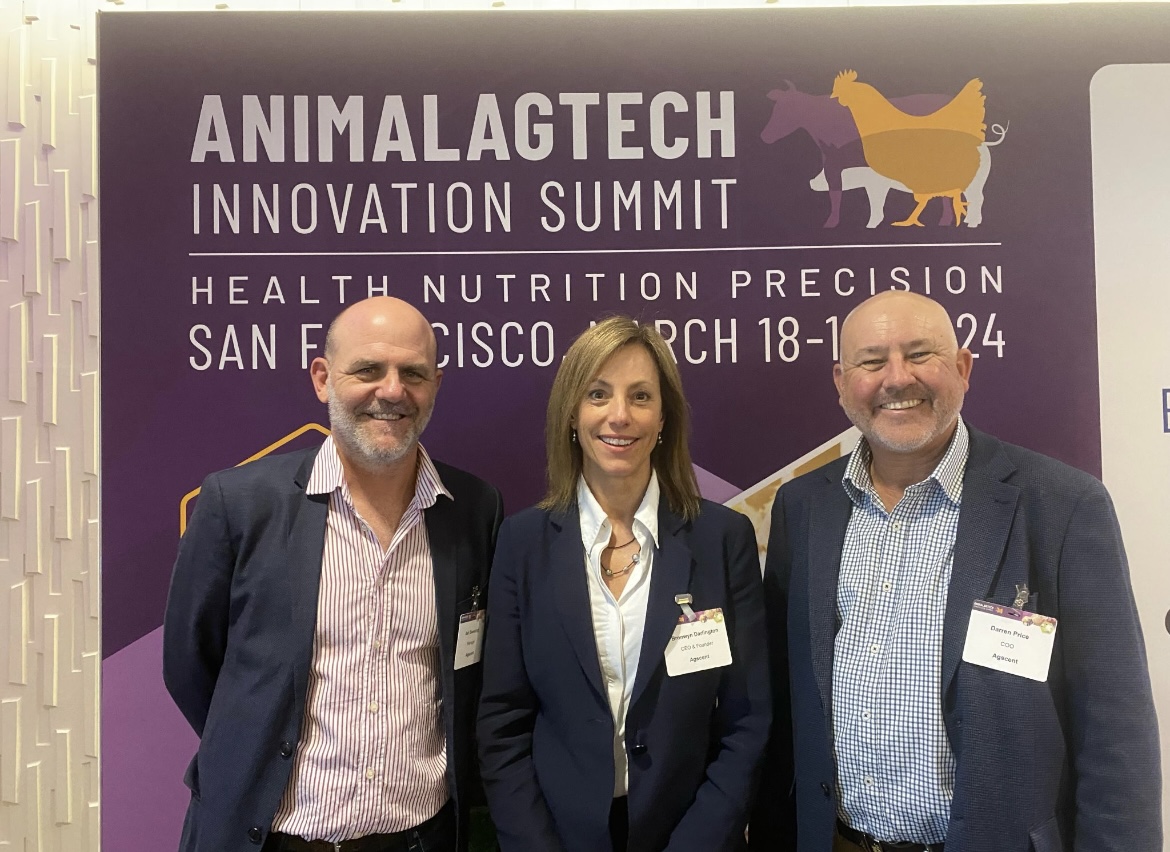
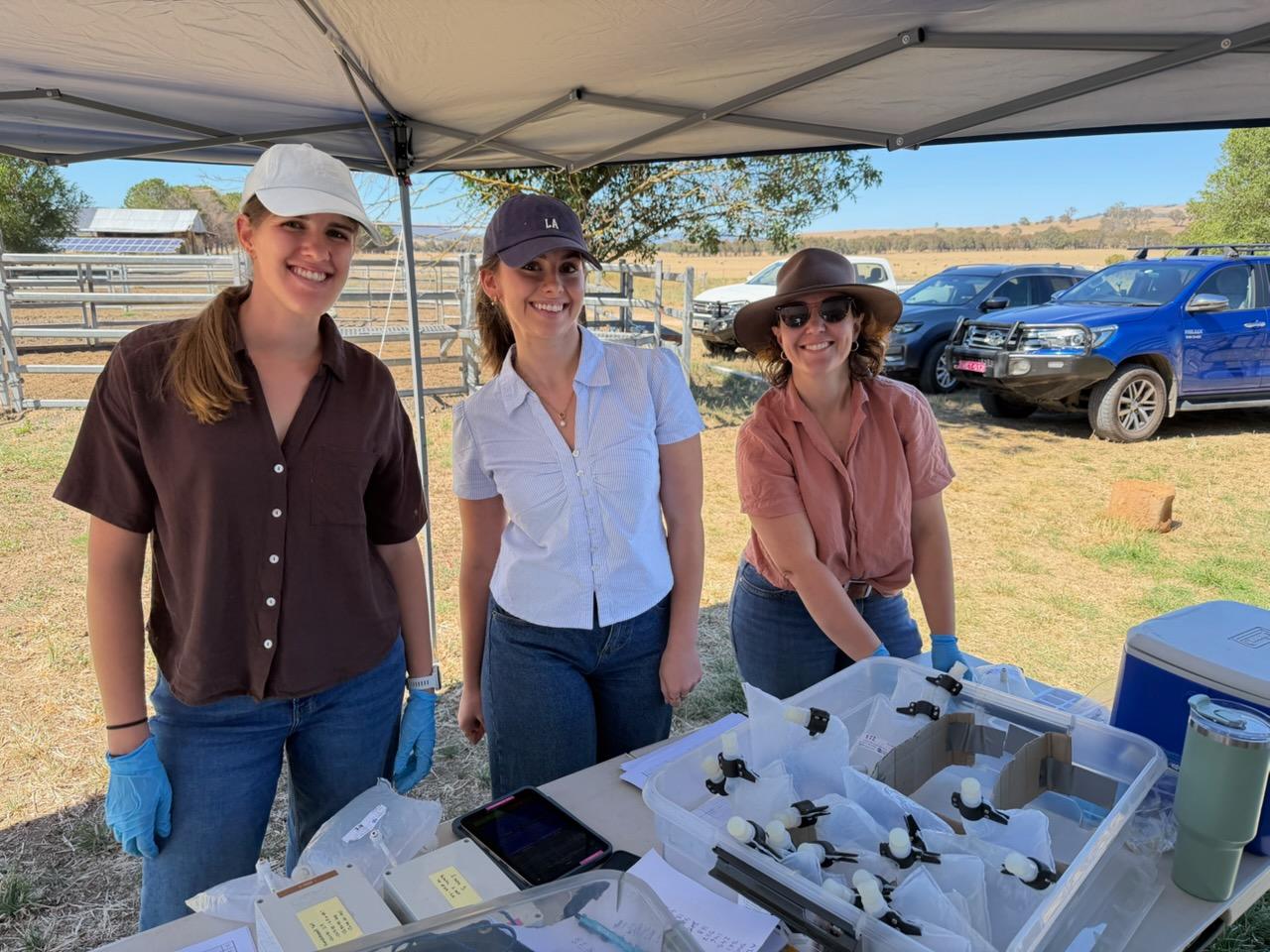
Agscent is privately held, with a shareholder base that reflects the breadth of the industries we serve. Our investors include primary producers and dairy farmers of all scales, alongside business leaders and sector specialists spanning Australia and beyond. As shareholders, they bring deep operational knowledge and industry networks that strengthen our science, inform our commercial strategy, and accelerate our path to market.
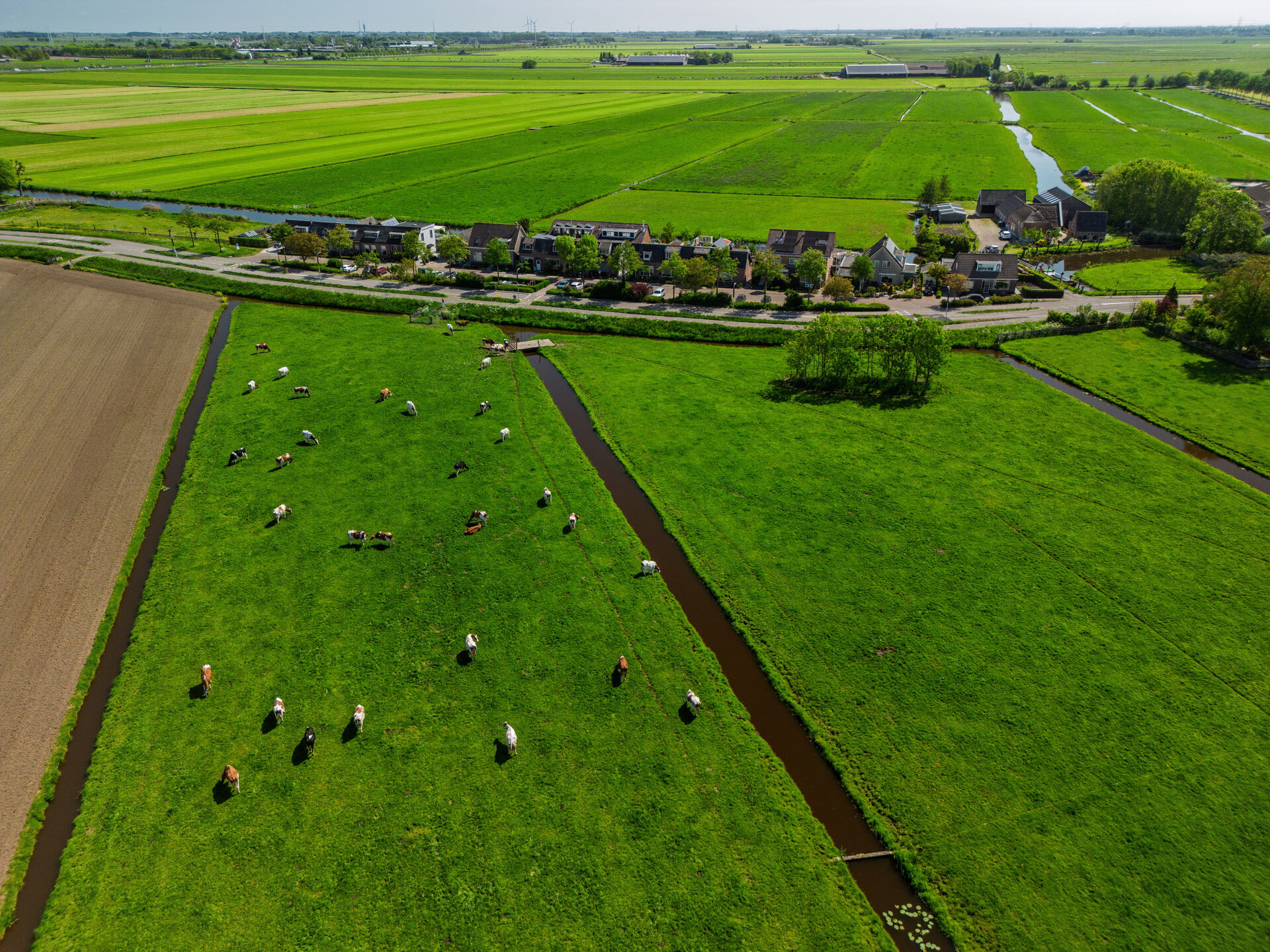
Our technology is our sustainability strategy.
Agscent makes the invisible visible, measuring methane in real time, detecting disease earlier, and reducing waste by identifying productivity sooner. Less emissions. Less antibiotic use. Less impact. That's not a side benefit. It's the point.
Our systems are reusable, AI-driven, and built to last, grounded in peer-reviewed research and university partnerships, and designed to make precision agriculture accessible to more producers.
Rigorous, transparent and real-world ready: science for healthier animals, healthier land, and healthier people.